
In the road transportation industry, the application of environmental, gas, and meteorological monitoring equipment runs through the entire chain of road planning, construction, operation, and emergency management. The following is a classification of core equipment and typical applications based on industry demand and technical practice.
1、 Environmental monitoring equipment
1、 Environmental monitoring equipment
1. Road meteorological monitoring system
Equipment: Highway Traffic Meteorological Station
Composition: Integrated meteorological sensors (temperature and humidity, wind speed and direction, air pressure), atmospheric visibility detector (laser scattering type), road condition sensor (infrared remote sensing type), laser snow depth transmitter, etc.
Function:
Full element monitoring: Real time collection of road temperature, humidity, ice thickness, snow depth, visibility (accuracy ± 5%) and other parameters, supporting wide temperature operation from -40 ℃ to 80 ℃.
Intelligent warning: When visibility<50 meters or road icing is detected, the road electronic screen will automatically trigger speed limit instructions (such as reducing from 120km/h to 40km/h), and the traffic command center will be linked to activate emergency plans.
Technological breakthrough: Non contact remote sensing detection technology replaces traditional embedded sensors, avoiding road closures during construction, and maintaining a measurement error of ± 2% on busy roads with traffic flow>5000 vehicles/day.
2. Road waterlogging monitoring system
Core equipment: Underground water accumulation measuring point+electronic water gauge
Deployment plan:
Low lying road sections: IP68 level buried measuring points with built-in pressure water level sensors are installed at flood prone points such as tunnel entrances and exits, and at the bottom of overpasses, which can detect water accumulation depths of 0-2 meters.
Municipal roads: Electronic water gauges (stainless steel casing+high sealing design) are used, and water level data (accuracy ± 1mm) is uploaded in real-time to the cloud platform through RTU modules, supporting linkage with drainage pump stations for opening and closing.
Emergency response: When the depth of accumulated water is greater than 30cm, the on-site LED screen displays a red warning and activates the sound and light alarm, synchronously pushing the three-dimensional water distribution map to the municipal department to guide the dispatch of mobile pump trucks.
3. Road deformation monitoring system
Core equipment: GNSS displacement monitoring station for highway slopes
Technical principle:
High precision positioning: using PPK carrier phase difference technology, the horizontal displacement monitoring accuracy reaches ± 2mm, the vertical accuracy is ± 3mm, and it can identify changes in bridge deflection (such as real-time warning for>5mm).
Multi source verification: Paired with a high-precision tilt transmitter, cross validate displacement data through dual axis tilt data (accuracy ± 0.01 °), effectively eliminating vehicle vibration interference.
Typical applications:
Mountainous highways: Monitoring stations are set up in landslide prone areas. When the cumulative displacement exceeds 10mm for three consecutive days is detected, the road closure command is automatically triggered.
Cross sea Bridge: Real time monitoring of pier settlement (similar technology is used for the Hong Kong Zhuhai Macao Bridge to ensure ± 1mm deformation monitoring).
2、 Gas monitoring equipment
2、 Gas monitoring equipment
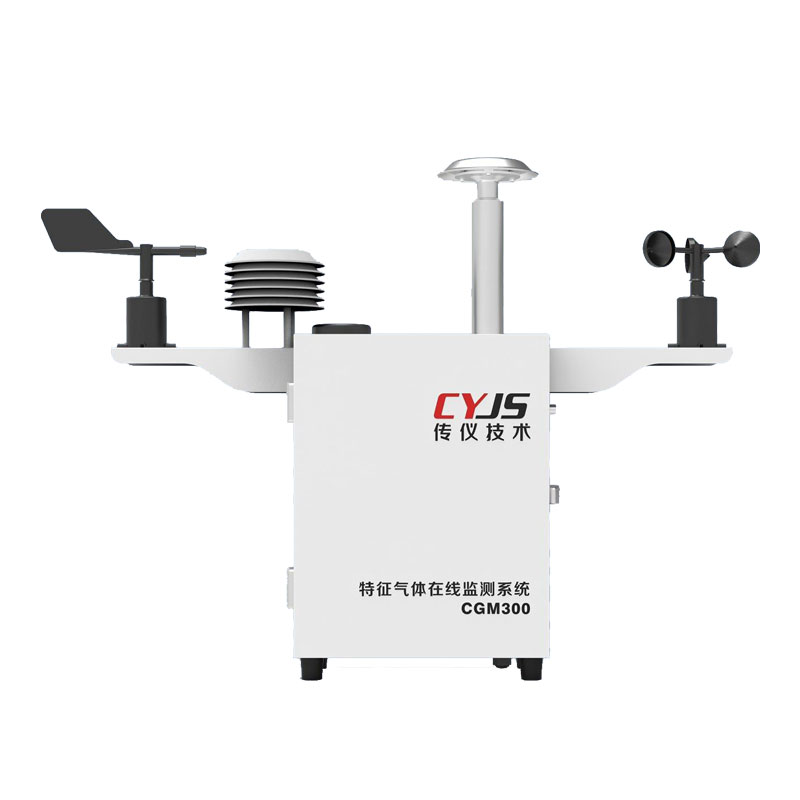
1. Tunnel environmental monitoring system
Core equipment: COVI tunnel visibility detector
Monitoring parameters:
Gas indicators: CO (0-5000ppm, accuracy ± 1%), NO ₂ (0-20ppm, accuracy ± 2%), dust concentration (0-200mg/m ³).
Environmental parameters: visibility (0-500 meters), temperature and humidity, wind speed (0-30 m/s).
Technological innovation: Adopting dual optical path transmission technology, the detection optical path with a 6-meter installation spacing is extended to 12 meters, achieving a visibility measurement error of ± 5% in long tunnels such as the Qinling Zhongnan Mountain Tunnel.
Linkage control: When the CO concentration is greater than 300ppm, the tunnel fan will automatically start (the air volume will be increased to 120% of the design value), and the vehicle will be guided to slow down to 20km/h through the broadcasting system.
2. Vehicle mounted gas monitoring equipment
Core equipment:
Flammable and explosive gas detection device:
Deployment scenario: Installed at the door of passenger vehicles, it can identify 16 types of dangerous gases such as alcohol and gasoline, with a detection sensitivity of 50ppm (if a passenger carries 10ml of gasoline, an alarm can be triggered).
Technical characteristics: semiconductor gas sensor array is used to eliminate interference from perfume, food smell, etc. in combination with AI algorithm, and the false alarm rate is less than 0.1 times/month.
Mobile monitoring equipment for natural gas leakage:
Bus onboard solution: Install a PPB level laser spectrometer on the roof of the bus. When the vehicle is traveling at 80km/h, it can identify natural gas leaks within a range of 100 meters (with a detection limit of 5ppm) and locate the leak point through a fluid dynamics model (with an error of less than 10 meters).
Application value: In August 2024, three underground gas pipeline leaks were discovered on the pilot line in Shanghai, avoiding potential explosion risks.
3、 Meteorological monitoring equipment
3、 Meteorological monitoring equipment
1. Visibility monitoring equipment
Core equipment:
Laser visibility meter: using the principle of forward scattering, it can effectively monitor distances of 0-10km and maintain a measurement accuracy of ± 5% even in dense fog (visibility<50 meters) environments.
Millimeter wave radar visibility meter: suitable for heavy rainfall (>50mm/h) scenarios, it uses radar echoes to invert visibility and complements laser equipment.
Integrated solution: Integrate data from meteorological stations and road sensors to generate a three-dimensional meteorological warning model. For example, when a combination of "visibility of 30 meters+road icing+crosswind level 6" is detected, the system automatically generates a red warning and triggers a full line road closure.
2. Road condition monitoring equipment
Core equipment:
Infrared road surface temperature sensor: Non contact detection of road surface temperature (accuracy ± 0.5 ℃), can identify the temperature difference between the bridge deck and the roadbed (such as warning of icing risk when>3 ℃).
Multispectral road sensor: By analyzing the reflected spectrum, it can distinguish the road conditions (dry/wet/snow/ice) with an accuracy rate of over 95%.
Typical application: On winter roads in Northern Europe, when sensors detect a road surface temperature<0 ℃ and humidity>85%, the automatic triggering of the snow melting agent spraying system (with an accurate dosage of 5g/m ²).
4、 Special scenario monitoring equipment
4、 Special scenario monitoring equipment
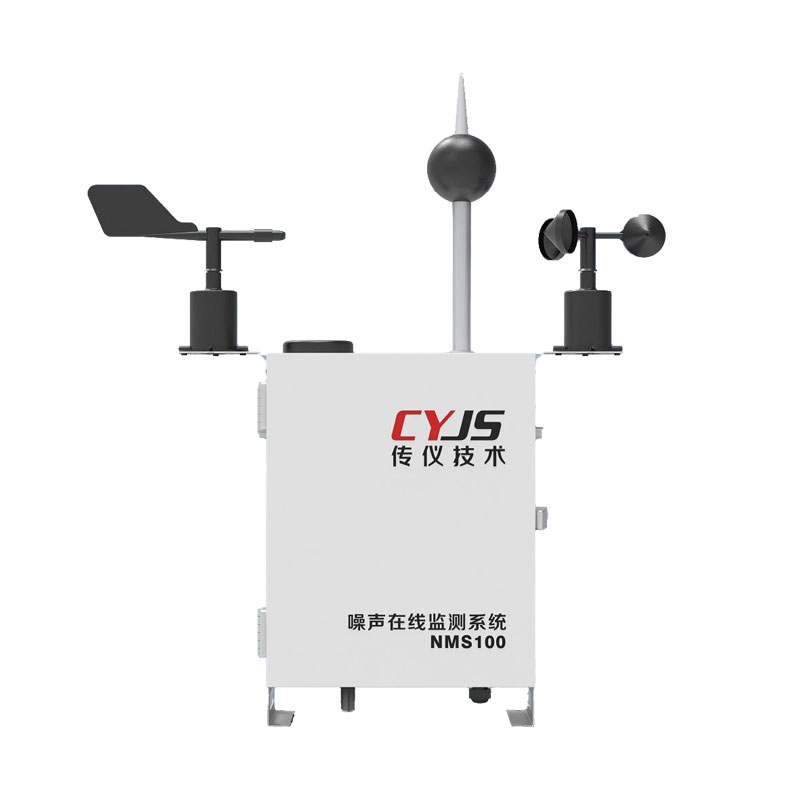
1. Traffic noise monitoring system
Core equipment: Online monitoring terminal for traffic noise
Technical Specifications:
Measurement range: 35-130dB (A-weighted), in compliance with HJ 907 standard, microphone installation height of 4-6 meters to reduce ground reflection interference.
Data collection: Generate 1 set of data per second, with an hourly data collection rate of ≥ 75%, supporting integration with urban acoustic environment maps.
Application case: After installing the equipment on a certain elevated bridge in Beijing, the noise spectrum was analyzed (such as low-frequency noise accounting for more than 60% from 22:00 to 6:00 at night), and targeted measures were taken to retrofit the sound barriers, resulting in a 73% decrease in complaints from surrounding residents.
2. Non road mobile machinery monitoring equipment
Core equipment:
Portable exhaust analyzer: supports detection of diesel vehicle opacity smoke (0-100% FS) and NOx (0-5000ppm), with built-in OBD diagnostic function that can identify tampering with emission control modules.
Unmanned aerial vehicle inspection system: equipped with multispectral cameras and gas sensors, cruising within a radius of 500 meters of the construction site, identifying machinery emitting black smoke through AI algorithms (accuracy>90%), and generating three-dimensional emission heat maps.
5、 The Evolution Trend of Equipment Technology
5、 The Evolution Trend of Equipment Technology
Multi source data fusion: such as aligning meteorological station data (wind speed), road meteorological monitoring system (visibility), and vehicle mounted gas monitoring data (CO concentration) in time and space, constructing a digital twin model of traffic environment, and achieving pollution diffusion prediction 30 minutes in advance.
Edge computing application: deploy edge computing nodes in tunnel, bridge and other scenarios, compress the original data to less than 10% and then transmit it to the cloud, reduce the cost of 5G network traffic (save about 40%) and shorten the early warning response time (from 30 seconds to 8 seconds).
New energy adaptation: Develop H ₂ leakage monitoring equipment (with a detection limit of 10ppm) for hydrogen fuel cell vehicles, and link it with the safety system of hydrogen refueling stations to achieve closed-loop management of leakage warning disposal.
Multi source data fusion: such as aligning meteorological station data (wind speed), road meteorological monitoring system (visibility), and vehicle mounted gas monitoring data (CO concentration) in time and space, constructing a digital twin model of traffic environment, and achieving pollution diffusion prediction 30 minutes in advance.
Edge computing application: deploy edge computing nodes in tunnel, bridge and other scenarios, compress the original data to less than 10% and then transmit it to the cloud, reduce the cost of 5G network traffic (save about 40%) and shorten the early warning response time (from 30 seconds to 8 seconds).
New energy adaptation: Develop H ₂ leakage monitoring equipment (with a detection limit of 10ppm) for hydrogen fuel cell vehicles, and link it with the safety system of hydrogen refueling stations to achieve closed-loop management of leakage warning disposal.
6、 Industry standards and specifications
6、 Industry standards and specifications
National standard requirements:
The "Detailed Rules for Ventilation Design of Highway Tunnels" (JTG/T D70/2-02-2014) stipulate that the CO concentration limit for tunnels is ≤ 250ppm during normal traffic and ≤ 300ppm during traffic congestion.
The Technical Requirements for Remote Sensing Detection System of Motor Vehicle Exhaust (HJ 845-2017) require the equipment to maintain a measurement error of ± 2% in an environment of -10 ℃~40 ℃.
Local practice:
The "Online Monitoring Standards for Highway Transportation Environment" (DB14/T 1714-2025) of Shanxi Province specifies that noise monitoring terminals must meet the installation height of 4-6 meters and be automatically calibrated daily (deviation ≤ 0.3dB).
The "Guidelines for the Construction of Smart Highways" in Guangdong Province require the installation of one meteorological monitoring station every 5 kilometers and one road condition sensor every 2 kilometers for newly built highways.
7、 Typical application cases
7、 Typical application cases
1. Henan section of Beijing Hong Kong Macau Expressway
Equipment deployment: Install 28 sets of highway traffic meteorological stations, 120 buried water accumulation measurement points, and 4 sets of tunnel visibility monitoring systems along the entire line.
Operational effectiveness:
In the winter of 2024, the implementation of "segmented speed limit+intelligent de icing" through monitoring data linkage resulted in a year-on-year decrease of 67% in the accident rate of ice and snow weather.
During the rainstorm, the ponding monitoring system gave an early warning 2 hours in advance to avoid three water related vehicle flameout accidents.
2. Construction of Shanghai Metro Line 18
Environmental management:
Construction period monitoring: Deploy micro air stations (PM2.5/PM10/SO ₂/NO ₂) in the shield tunnel section, and automatically activate the spray dust reduction system when the dust concentration exceeds 500 μ g/m ³.
Monitoring during operation: Install VOCs online monitoring equipment (PID method, detection limit of 50ppb) in underground stations, and adjust the fresh air volume of the air conditioning system (maximum increase of 30%) to ensure that the air quality in the station meets the standard.
8、 Equipment selection suggestions
8、 Equipment selection suggestions
Mountainous roads: Priority should be given to configuring GNSS displacement monitoring stations (to monitor slope stability)+laser snow depth transmitters (to warn of snow accumulation), and supporting solar power supply systems (to ensure normal operation in continuous rainy weather for 7 days).
Urban expressway: Deploy mobile exhaust remote sensing vehicles (to cope with temporary inspections)+online traffic noise monitoring terminals (linked with sound barrier renovation), and connect to the urban brain platform to achieve cross departmental data sharing.
Long tunnel group: adopt the combination scheme of COVI tunnel visibility detector+multi spectral road surface sensor, and configure edge computing nodes to achieve local data processing (response time<2 seconds).
Through the collaborative application of the above equipment system, it is possible to achieve "full element monitoring intelligent analysis precise control" of the transportation environment, helping the industry achieve breakthroughs in the three dimensions of safety, efficiency, and environmental protection. For example, after implementing smart monitoring on a highway in Shanxi, the annual maintenance cost has been reduced by 23%, the efficiency of traffic in adverse weather has been improved by 40%, and the carbon emission intensity has decreased by 15%, fully reflecting the industry value of technology empowering transportation.
Related products
Related products



|