HSU100-Ultrasonic meteorological instrument
HSU100-Ultrasonic meteorological instrument

The HUS100 series of products are ultrasonic weather stations based on ultrasonic sensing technology. They are capable of simultaneously measuring wind speed, wind direction, temperature, humidity, and atmospheric pressure. These devices feature strong disturbance detection capabilities, fast response times, and high measurement accuracy. Equipped with 4G modules, they enable real-time data synchronization to the cloud, thus meeting the intelligent monitoring requirements in various applications.
功能特点 | Product Features
- Based on ultrasonic sensing technology that does not utilize any mechanical components, long-term stability and reliable operation of the monitoring system are ensured.
- By using high-power drivers and transducers, accurate measurements can still be obtained even at speeds exceeding 30 m/s.
- It supports intelligent heating systems for snow and ice removal, and comes equipped with a built-in temperature compensation function. This ensures stable and reliable measurement and operation in snowy, windy, or extremely cold conditions.
- The system comes standard with Beidou positioning technology; the positioning accuracy error is less than 10 meters.
- Fixed antenna; onboard eSIM communication card; the card is soldered using industrial-grade soldering techniques, ensuring reliable performance in harsh environments and enabling long-term, contact-free operation.





应用场景 | Application Scenarios
Scenario 1: Agricultural sector: Ensuring the healthy growth of crops and improving agricultural efficiency.
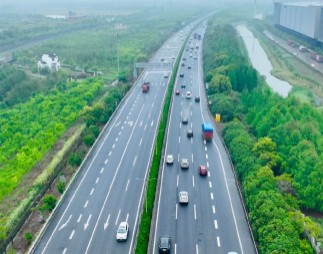
Monitor meteorological phenomena such as road icing, fog, and crosswinds, and provide real-time warnings for highways and airports, thereby reducing the incidence of accidents.
| Farmland cultivation Real-time monitoring of five key meteorological parameters is essential. For example, wind speed data can help predict the risk of strong winds causing tall crops to collapse, allowing for timely reinforcement measures to be taken. Temperature and humidity data provide valuable information for determining the optimal timing of irrigation, thus preventing crops from suffering from drought or waterlogging. Changes in air pressure can also be used to estimate the probability of rainfall, enabling farmers to plan harvesting and planting activities in advance and minimizing the delays caused by rainy weather. | |
| Greenhouse Precise monitoring of the microclimate inside the greenhouses is essential. The opening size of the vents is adjusted based on wind speed data; temperature and humidity readings are used to control the operation of temperature and humidity regulation systems, thereby creating an ideal growing environment for crops such as tomatoes and cucumbers. This approach helps to increase both the yield and quality of these crops. | |
| Scenario 2: Forestry sector – Fire prevention and control, as well as ecological protection. In forestry applications, ultrasonic weather stations are primarily used for early warning of forest fires and ecological monitoring. They help to reduce the risk of fires and assist in the management of forest ecosystems. | ||
| Forest ecological monitoring Long-term monitoring of meteorological parameters in forest areas provides valuable data for ecological research. For example, by analyzing data on wind speed, temperature, and humidity over several years, we can determine how climate changes affect the growth of forest vegetation. For instance, we can determine whether high wind speeds cause seedlings to fall over, or whether rising temperatures alter the distribution of tree species. In addition, by combining this data with information on air pressure, we can gain a better understanding of the mechanisms that shape the microclimate in forest areas. | |
| Scenario 3: Transportation sector – Risk early warning and accident response Traffic scenarios are highly sensitive to meteorological conditions. Ultrasonic weather instruments can monitor in real time the key meteorological factors that affect traffic flow, providing valuable information for traffic management and route planning. | ||
| highway Special attention is paid to monitoring meteorological phenomena such as road icing and crosswinds. When the wind speed exceeds the recommended limits, traffic signs are activated to alert trucks and buses to slow down, thereby preventing vehicle rollovers. In winter, the road surface temperature is closely monitored. When the temperature approaches 0°C and the humidity is high, warnings are issued regarding the risk of road icing. In such cases, snow melting operations are scheduled in advance to prevent traffic accidents. | |
| Air traffic These devices are deployed around airport runways and at key points along low-altitude flight routes to monitor wind speed and gusts, as well as wind direction, temperature, and humidity. Gusts can have a significant impact on the takeoff and landing of aircraft; real-time data collected by these devices can assist pilots in adjusting their flight maneuvers accordingly. The temperature and humidity data are also used to calculate the visibility at the airport and the condition of the runway surface, providing valuable information for flight scheduling decisions. | |




|