
The monitoring of unorganized emissions requires the construction of a three-dimensional monitoring system based on the characteristics of dispersed pollution sources, random pathways, and large concentration fluctuations, using "total factor perception+multidimensional analysis". The following are the classification of core equipment and technical solutions:
1、 Environmental monitoring equipment
1、 Environmental monitoring equipment
1. Laser scattering TSP monitoring instrument
Technical features: Adopting pump suction intake and laser scattering technology, it can monitor total suspended particulate matter (TSP), noise, and meteorological parameters in real time, with a data update frequency of 1 second per time, supporting wide temperature operation from -40 ℃ to 80 ℃.
Deployment strategy: Install one unit every 200 meters on both sides of the freight road in the chemical industrial park, generate a three-dimensional dust heat map based on wind direction data, and accurately locate the dust contribution of transportation vehicles (triggering vehicle flushing instructions when the contribution rate is greater than 40%).
2. Six parameter micro air station
Monitoring capability: Integrated PM2.5/PM10, SO ₂, NO ₂, CO, O3 sensors, using electrochemical and light scattering technology, with a detection limit of PM2.5:1 μ g/m ³ and SO ₂: 5ppb, supporting grid layout to form a monitoring network.
Data application: A certain industrial park identified the peak PM10 concentration caused by increased production load from 22:00 to 6:00 at night (28% higher than during the day) through high-density deployment (5 stations per square kilometer), and adjusted the production schedule accordingly.
2、 Gas monitoring equipment
2、 Gas monitoring equipment
1. PID method VOC monitoring equipment
Technological breakthrough: Adopting photoionization (PID) detection technology, the detection limit reaches 50ppb, and the response time is less than 2 seconds.
Application scenario: Pipeline leakage detection in petrochemical enterprises. By scanning valve group interfaces (distance ≤ 10cm), 10ppm level leaks can be identified, which is 8 times more efficient than traditional manual inspections.
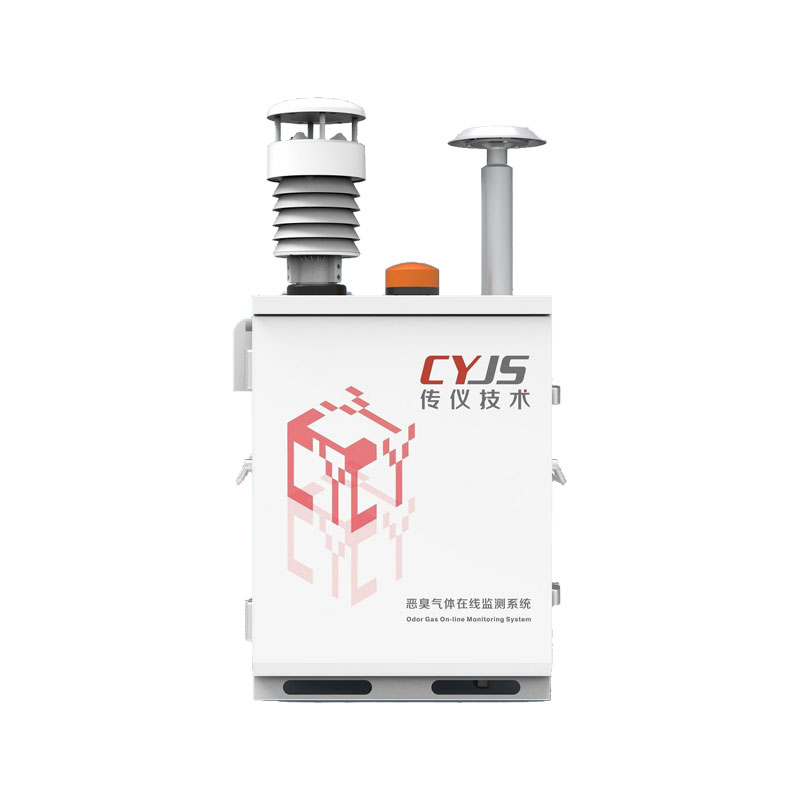
2. Odor monitoring equipment
Technical principle: Based on a metal oxide sensor array, combined with machine learning algorithms to simulate human smell, it can identify more than 30 types of odorous substances such as H ₂ S, NH ∝, trimethylamine, etc. The detection accuracy of odor concentration reaches ± 10%, and the response time is less than 30 seconds.
Traceability analysis: Four devices were installed around the landfill site, and through wind rose maps and concentration gradient inversion, the location error of the odor source could be located with less than 50 meters, assisting in optimizing the deodorant spraying plan (reducing usage by 30%).
3、 Meteorological monitoring equipment
3、 Meteorological monitoring equipment
1. Six element meteorological station
Core parameters: wind speed (0-60m/s, accuracy ± 0.1m/s), wind direction (0-360 °, accuracy ± 3 °), temperature (-40 ℃~80 ℃, accuracy ± 0.3 ℃), humidity (0-100% RH, accuracy ± 2%), air pressure (300-1100hPa, accuracy ± 0.3hPa), precipitation (accuracy ± 0.2mm).
Data value: A certain steel plant combines meteorological data with dust monitoring to establish a dust warning model with wind speed>5m/s+humidity<40%. The warning accuracy reaches 85%, which is 60% lower than the false alarm rate of a single concentration threshold alarm.
2. Atmospheric stability monitoring instrument
Technical function: By measuring the vertical gradient of temperature and humidity, the atmospheric stability level (A-F level) is classified, providing key parameters for pollutant diffusion models. The pollution impact range can be predicted 1-3 hours later (with an error of less than 15%).
Application scenario: Installed at the boundary of petrochemical parks, when the atmosphere is in an unstable state (Class A), the VOCs monitoring frequency is automatically increased to 30 seconds per time, and mobile monitoring vehicles are activated for encrypted patrols.
4、 Industry standards and technical specifications
4、 Industry standards and technical specifications
National standard requirements:
The "Unorganized Emission Control Standards for Volatile Organic Compounds" (GB 37822-2019) stipulate that the concentration limit of NMHC at the factory boundary is 4mg/m ³, and the frequency of leak detection is ≥ once per quarter.
The Technical Guidelines for Monitoring Unorganized Emissions of Air Pollutants (HJ/T 55-2000) specify that monitoring points should avoid the eddy current zone and have a sampling height of 1.5-15 meters.
Local practice:
The "Guidelines for Standardized Operation of Unorganized Emission Monitoring of Air Pollutants" in Jiangsu Province require that the wind speed during the monitoring period should be ≥ 1.0m/s, otherwise the data is invalid.
The "Technical Specification for Unorganized Emission Monitoring in Industrial Parks" of Guangdong Province stipulates that the distance between micro air stations should be ≤ 500 meters, and the data efficiency should be ≥ 95%.
5、 Typical application scenarios
5、 Typical application scenarios
1. VOCs control in chemical industrial parks
Equipment combination: PID detector (leakage detection)+weather station+edge computing node.
Implementation effect: Through "online monitoring+LDAR (leak detection and repair)", the detection cycle of VOCs leakage points in a certain park has been shortened from 7 days to 2 hours, with an annual emission reduction of 120 tons and a corresponding carbon reduction of 360 tons of CO ₂ equivalent.
2. Dust control at construction sites
Technical solution: TSP laser monitoring device (main road)+meteorological station+sprinkler system linkage.
Operating data: Through real-time monitoring and intelligent spraying, the duration of PM10 concentration exceeding the standard has been reduced from 4.2 hours per day to 0.8 hours per day, and the amount of dust reduction has been reduced by 55%.
3. Traceability of Odor from Landfills
Equipment deployment: Electronic noses (4 in the field)+drone inspection (equipped with portable odor detectors).
Governance achievements: Through a three-dimensional traceability model, the northwest corner of the landfill area was accurately identified as the main source of odor. After adjusting the covering film sealing process, the number of complaints from surrounding residents decreased by 82%.
6、 Equipment selection and deployment suggestions
6、 Equipment selection and deployment suggestions
High humidity scenario: Priority should be given to using laser spectroscopy VOCs monitoring instrument (resistant to water vapor interference)+capacitive humidity sensor (accuracy ± 1% RH).
Complex terrain area: Adopting unmanned aerial vehicles equipped with micro air stations (with a range of 30 minutes) and vehicle mounted LiDAR (with a scanning radius of 500 meters) to achieve blind spot monitoring.
Emergency monitoring requirements: Equipped with portable FID/PID analyzers (weighing less than 3kg) and rapidly deployed meteorological stations (set up within 5 minutes) to meet emergency response needs.
Through the collaborative application of the above equipment system, it is possible to achieve "precise monitoring intelligent analysis efficient governance" of unorganized emissions. For example, after implementing smart monitoring in a certain steel plant, the compliance rate of particulate matter concentration at the factory boundary increased from 62% to 94%, and the number of environmental penalties decreased from 8 times a year to 0 times, fully reflecting the industry value of technology empowering environmental protection. In the future, with breakthroughs in technologies such as multispectral fusion and quantum sensing, unorganized emission monitoring will continue to evolve towards "all time, all factor, and fully automatic" direction.
Related products
Related products



|