Gas and meteorological monitoring equipment is a core tool for ensuring construction safety, preventing environmental pollution, and complying with regulatory requirements in the construction site (building construction, demolition, municipal engineering) and mining (coal mine, metal mine, non-metal mine) industries. Due to different working environments (outdoor/underground, dust/toxic gas risks), there are differences in equipment selection and application focus between the two types of scenarios. The following are specific classifications and applications:
1、 Gas monitoring equipment
1、 Gas monitoring equipment
Focusing on risks such as dust pollution, leakage of toxic and harmful gases, and accumulation of flammable and explosive gases, while balancing environmental compliance and personnel safety.
(1) Dust/particulate matter monitoring equipment
Core monitoring objects: PM2.5, PM10, TSP (total suspended particulate matter), which are the main gaseous pollutants in construction sites and mines (existing in the form of particulate matter).
Laser scattering dust detector
Technical features: Pump suction sampling, real-time display of PM2.5/PM10 concentration (detection range 0-10mg/m ³, response time<10 seconds), weight<1kg, support lithium battery life of 8 hours, suitable for temporary inspection.
Application scenarios: Temporary soil stacking areas on construction sites, underground mining faces (detecting dust dissipation after blasting to ensure that the concentration before miners enter is ≤ 2mg/m ³), quickly determining whether local dust prevention measures are effective.
(2) Toxic and harmful gas monitoring equipment
Core risks of mining: underground hypoxia, methane (CH4) explosion, carbon monoxide (CO) poisoning, hydrogen sulfide (H2S) corrosion; Risk of limited space on construction site: underground pipe gallery, biogas (CH ₄) in foundation pit, toxic volatile substances.
Mining multi parameter gas sensor (fixed type)
Monitoring parameters: methane (0-100% LEL, catalytic combustion principle), carbon monoxide (0-1000ppm, electrochemical), oxygen (0-25% VOL), hydrogen sulfide (0-100ppm), explosion-proof level Ex d Ⅰ (coal mine)/Ex d Ⅱ CT6 (metal mine), supporting RS485/4G transmission to the mine monitoring platform.
Application scenario: When the methane concentration is greater than 1.0% in the underground excavation face and mining face of coal mines, an automatic alarm will be triggered and the power supply in the area will be cut off (to prevent electric spark ignition); After metal mine blasting, monitor the concentration of CO (toxic gas generated by blasting, with a limit of ≤ 24ppm), ensure that ventilation meets standards before allowing personnel to enter.
Portable four in one gas detector
Core function: Simultaneously detect combustible gases (LEL), O ₂, CO, H ₂ S, sound and light vibration alarm, compact size (palm sized), 12 hour battery life, explosion-proof rating Ex ia IIC T4, suitable for personnel to carry around.
Construction site application: Before underground pipe gallery construction and deep foundation pit operation, check for oxygen deficiency (O ₂ < 19.5%) or biogas (CH ₄ > 5% LEL) to avoid suffocation or explosion of personnel;
Mining application: Wear it when miners work underground, and quickly identify gas risks before entering dangerous areas such as blind alleys and goafs (such as evacuate immediately when H ₂ S concentration>10ppm).
Photoionization (PID) VOC detector
Technical features: Detect volatile organic compounds (VOCs) released from paints, thinners, adhesives, etc. (such as benzene and toluene, with a detection limit of 50ppb), with a response time of less than 2 seconds, suitable for monitoring in painting operation areas.
Application scenarios: Steel structure coating on construction sites, mining equipment maintenance workshops (when using solvents to clean parts), ensuring that VOCs concentration is below the occupational exposure limit (such as toluene<50ppm), and protecting workers' health.
(3) Flammable and explosive gas monitoring equipment
Key scenarios: Mine gas (methane), construction site biogas (surrounding landfill construction), fuel/gas equipment leakage.
Laser methane telemetry instrument
Technical advantages: Non contact detection, able to identify methane leaks within a range of 100 meters (detection limit of 1ppm), strong laser pointing, suitable for remote inspection of mine ventilation pipelines and construction site gas pipelines, avoiding personnel from entering high-risk areas.
Mining application: Leak detection of underground gas extraction pipelines in coal mines, quickly locating leakage points (such as poor sealing of flange interfaces), and reducing the risk of gas accumulation.
Combustible gas alarm controller (linkage type)
Function: Connect multiple fixed combustible gas sensors (such as gas pipelines in construction canteens and fuel depots in mines). When the concentration exceeds the standard (such as natural gas>25% LEL), automatically cut off the gas source and start the exhaust system, while pushing alarm information to the duty room.
2、 Meteorological monitoring equipment
2、 Meteorological monitoring equipment
Meteorological conditions directly affect the construction safety of the construction site/mine (such as landslide caused by rainstorm), pollutant diffusion (such as strong wind aggravating dust) and operation efficiency (such as heatstroke caused by high temperature), so targeted monitoring is required.
(1) Conventional meteorological parameter monitoring equipment
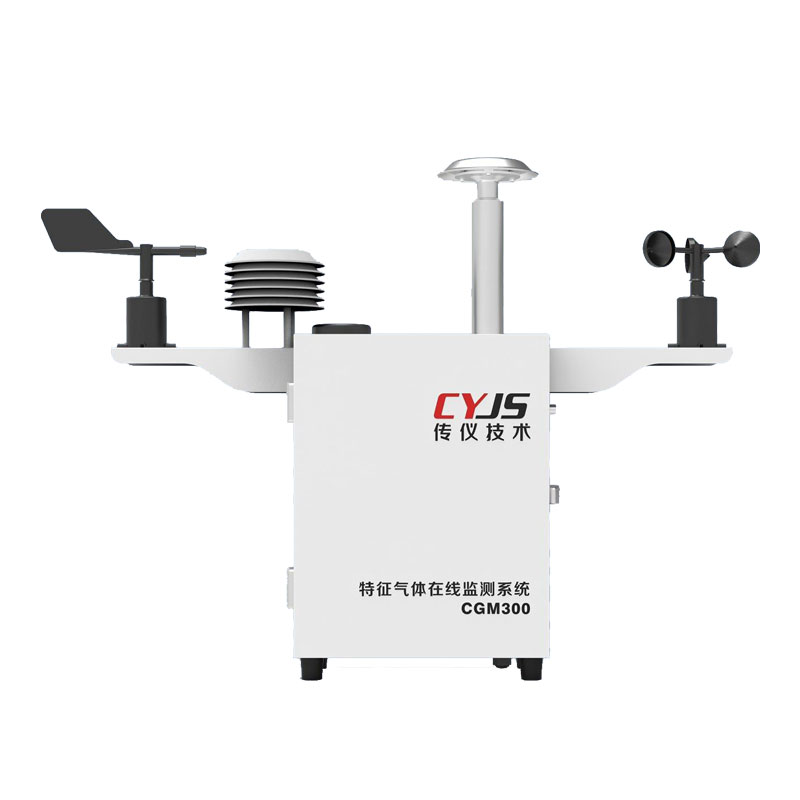
Construction site/mine meteorological station (six elements)
Monitoring parameters: wind speed (0-60m/s), wind direction (0-360 ° C), temperature (-40~80 ° C), humidity (0-100% RH), air pressure (300-1100hPa), precipitation (0-50mm/h), supporting solar power supply (normal operation for 7 consecutive rainy days), data access to the construction management platform.
Construction site application: Stop tower crane operation when monitoring wind speed>10.8m/s (level 6 wind) during high-rise building construction; Before excavation construction, drainage equipment should be deployed in advance based on precipitation prediction (such as 24-hour precipitation>50mm) to prevent collapse.
Mining application: Open pit mining blasting operations require reference to wind speed and direction (when wind speed is greater than 8m/s, dust spreads too quickly, affecting the surrounding environment; The blasting time needs to be adjusted when the wind direction points towards residential areas; Monitoring precipitation in tailings ponds to prevent the risk of dam collapse (such as initiating emergency drainage when hourly precipitation exceeds 20mm).
Portable weather station
Features: Weight<3kg, quick tripod setup (completed within 5 minutes), suitable for temporary work areas (such as mining exploration sites, temporary material yards on construction sites), monitoring local microclimates (such as the impact of valley winds on dust dispersion in mountainous construction sites).
(2) Special meteorological risk monitoring equipment
Visibility monitoring device
Technical parameters: Measurement range 0-10km, accuracy ± 5%, suitable for underground mining (low visibility caused by dust) and foggy operations on construction sites. When visibility is less than 50 meters, warning lights will be automatically triggered to prohibit heavy machinery from moving (to prevent collisions).
Light intensity meter
Application scenarios: Mining underground excavation face and tunnel construction, monitoring whether the lighting meets the standard (such as coal mine underground working face lighting ≥ 50lx), ensuring clear visibility of workers and reducing safety accidents.
Soil moisture and slope monitoring instrument
Auxiliary functions: Monitor soil moisture content (0-100%) and slope inclination angle (0-90 °) on construction site slopes and mine waste disposal sites, and predict landslide risks based on precipitation data (such as issuing warnings when moisture content is greater than 60% and inclination angle is greater than 35 °).
3、 Industry characteristics and key points for equipment selection
3、 Industry characteristics and key points for equipment selection
Explosion proof requirements: Underground equipment in mines must pass the Coal Mine Safety Mark (MA) or Explosion proof Certification (Ex d), such as gas sensors that must withstand high humidity (95% RH) and dust environments;
Adaptation to harsh environment: outdoor equipment on the site shall have protection above IP66 (rainstorm prevention and dust prevention), and mining equipment shall be resistant to vibration (such as blasting shock);
Data linkage: The core equipment needs to be connected to the management platform to achieve a closed-loop of "monitoring warning disposal" (such as dust exceeding the standard → automatic spraying, gas exceeding the standard → power cut-off+alarm).
Through the application of the above equipment, construction sites and mines can achieve "controllable pollution and preventable risks": for example, a certain open-pit mine can reduce dust emissions by 40% compared to traditional management through the linkage of "β - ray dust detector+six element meteorological station"; A certain coal mine has achieved three consecutive years without gas safety accidents through dual monitoring using methane sensors and portable detectors, fully demonstrating the supporting value of monitoring equipment for industry safety and environmental protection.
Related products
Related products



|