OGM500-Online stench
OGM500-Online stench
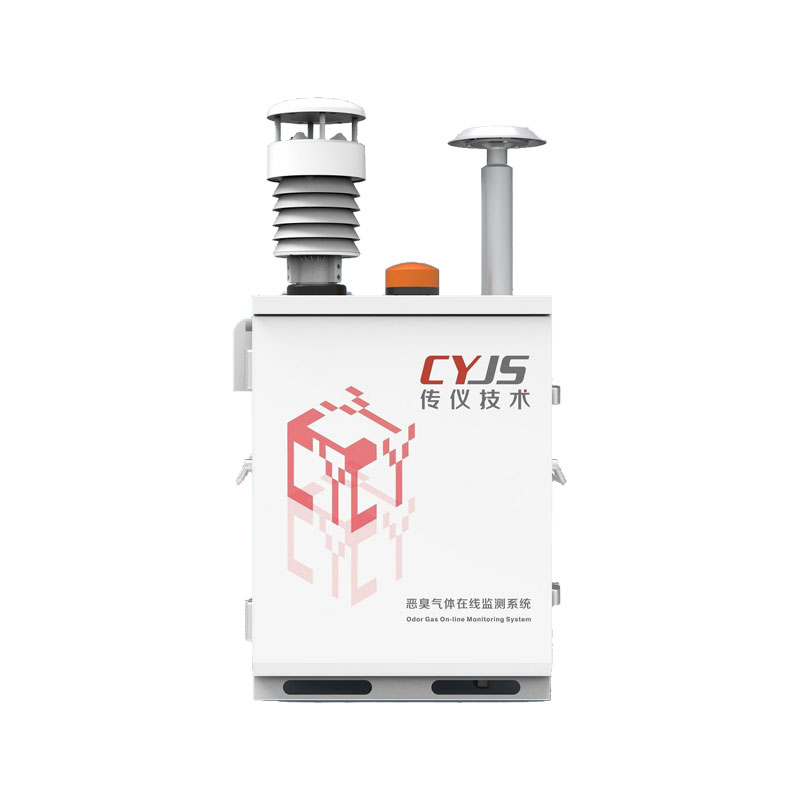
The OGM500 series of online odor gas monitoring systems are intelligent devices designed for the real-time monitoring and analysis of unpleasant odors in the air, such as those emitted by volatile organic compounds, ammonia, and hydrogen sulfide. These systems enable the detection of odor gases emitted from pollution sources, provide real-time alerts, and generate relevant data reports as well as trend analyses.




功能特点(所有型号) | Product Features
- Real-time concentration curves, alarms for exceeding regulatory limits, and odor traceability maps.
- Sensor life management, service life alerts, and attenuation compensation.
- It comes standard with Beidou positioning functionality; the positioning accuracy error is less than 10 meters.
- It supports the standard HJ212 protocol and provides platform integration services.
- High-performance brushless motor air pumps feature stable flow rates and strong negative pressure capabilities. Their overall service life is ≥2 years.
- Fixed antenna; onboard eSIM communication card; the card is soldered using industrial-grade soldering techniques, ensuring reliable performance in harsh environments and enabling long-term, contact-free operation.
产品型号 | Product Model
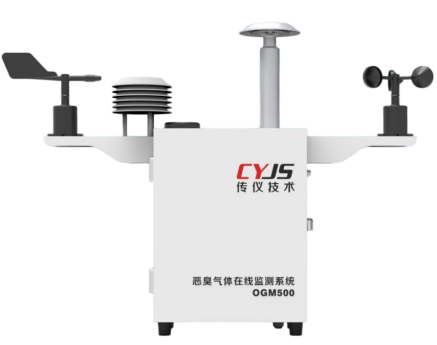
| Online Odor Gas Monitoring System (Standard Version) - It supports the detection of eight types of gases: OU, TVOC, and foul odors, all via independent sensors. - Standard mechanical wind direction detection system; the interlocking device for the alarm lights is also expandable. - The chassis features an industrialized and compact design, resulting in low power consumption of the entire device. It is also easy to install and debug. | |
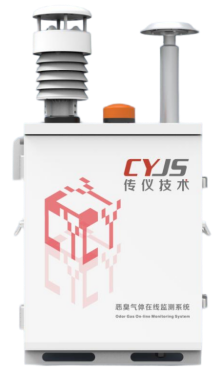
| Online Malodorous Gas Monitoring System (Professional Version) - Sensor array electronic nose module – capable of both qualitative identification and quantitative detection of malodorous gases. - It comes equipped with a built-in zero-gas module, which allows for regular calibration of the sensors, thereby improving the accuracy of the detection results. - Equipped with a built-in electronic condenser, making it suitable for use in high-humidity environments. |
应用场景 | Application Scenarios
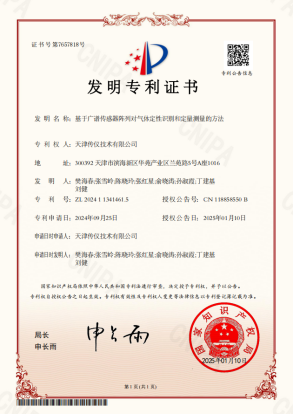
Patent 1: A method for qualitative identification and quantitative measurement of gases using a broadband sensor array |
Patent 2: Method for Managing the Entire Lifecycle of Gas Sensors |
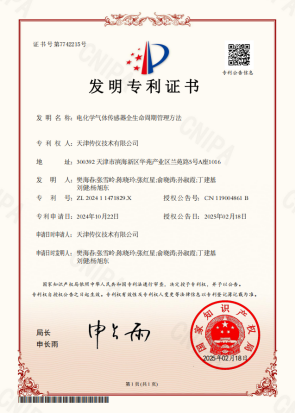
应用场景 | Application Scenarios
| Industrial production sector The industrial sector is one of the main sources of foul-smelling pollution, covering industries such as chemicals, food processing, and coating. Monitoring devices are primarily used to control the emission of foul-smelling gases during production, storage, and disposal processes, thereby preventing violations of regulations that could lead to fines or complaints from nearby residents. | |
| Waste disposal Landfills, waste incineration plants, and waste transfer stations are equipped with systems to monitor the emission of gases such as hydrogen sulfide, ammonia, and methanethiol, which are produced during the degradation of waste. These systems also detect the small amounts of malodorous gases generated during the incineration process. By doing so, they help prevent the spread of these odors to nearby residential areas. Additionally, these systems play a role in adjusting waste disposal methods and the treatment processes for leachate (for example, by using chemicals to eliminate odors). | |
| Wastewater treatment In urban sewage treatment plants and industrial park sewage treatment facilities, hydrogen sulfide, ammonia, and volatile organic acids (such as acetic acid) generated during the anaerobic decomposition of sewage are monitored in real time. The concentration of these odorous substances during the treatment process is closely tracked; when the levels exceed the permissible limits, the spray deodorization system is activated to minimize the impact on the surrounding environment. | |
| Livestock and poultry farming Monitor the gases generated during the decomposition of livestock and poultry manure, such as ammonia, hydrogen sulfide, trimethylamine, and indole (the main components responsible for the unpleasant odor of manure). This helps prevent the spread of these odors to the surrounding environment. Additionally, it facilitates the adjustment of the frequency of manure removal and the sealing procedures of biogas digesters, thereby avoiding the occurrence of non-point source pollution. | |
| Foul-smelling leaks In the event of sudden occurrences of foul odors, such as leaks from storage tanks in chemical plants, rollovers of vehicles transporting hazardous substances (resulting in the leakage of ammonia or sulfides), or ruptures in pipelines at sewage treatment plants, it is essential to quickly monitor the concentration of the foul odor in the affected area as well as its spread. This information is crucial for guiding emergency response teams in determining the appropriate “evacuation radius” and assessing the extent of the pollution – for example, to decide whether a tiered response mechanism needs to be activated. |




|